Today, March 4th, 2026, embracing a gluten and dairy-free lifestyle requires careful planning and resourcefulness, especially when building a comprehensive food list.
Prioritizing naturally nutritious, whole foods – like fruits, vegetables, and legumes – is key, alongside understanding certified gluten-free options for pantry staples.
A well-stocked, gluten-free and dairy-free pantry, aided by a printable shopping list, simplifies this journey, ensuring dietary needs are met efficiently and effectively.
The Rising Need for Gluten & Dairy-Free Diets
The prevalence of gluten and dairy sensitivities is demonstrably increasing, driving a significant surge in the demand for specialized dietary approaches. This isn’t merely a fleeting trend; it reflects a growing awareness of the impact these food groups have on individual health and well-being.
More individuals are self-diagnosing intolerances or receiving formal diagnoses of conditions like celiac disease or lactose intolerance, necessitating dietary changes. Consequently, the need for accessible resources, such as a detailed gluten and dairy-free food list PDF, has become paramount.
This rising need extends beyond those with diagnosed conditions. Many are adopting these diets proactively, seeking to reduce inflammation, improve digestive health, or enhance overall vitality. A comprehensive list simplifies the transition, offering clarity and support for navigating a potentially complex dietary shift. The October 2020 emphasis on nutritious, naturally gluten-free foods underscores this proactive approach.
Understanding Gluten & Dairy Intolerances/Allergies
Distinguishing between allergies and intolerances is crucial when navigating a gluten and dairy-free diet. Allergies trigger an immune response, potentially causing severe reactions, while intolerances involve digestive discomfort without immune system activation.
Celiac disease, a severe autoimmune reaction to gluten, necessitates strict avoidance. Lactose intolerance, stemming from insufficient lactase enzyme production, causes digestive issues with dairy consumption. Understanding these differences informs dietary choices and the level of stringency required.
A well-structured gluten and dairy-free food list PDF can be invaluable in identifying safe and unsafe foods, catering to varying levels of sensitivity. Prioritizing naturally nutritious, gluten-free options – vegetables, fruits, beans – as suggested, supports overall health while avoiding problematic ingredients. Careful label reading is essential, given hidden sources in processed foods.
Naturally Gluten-Free Foods
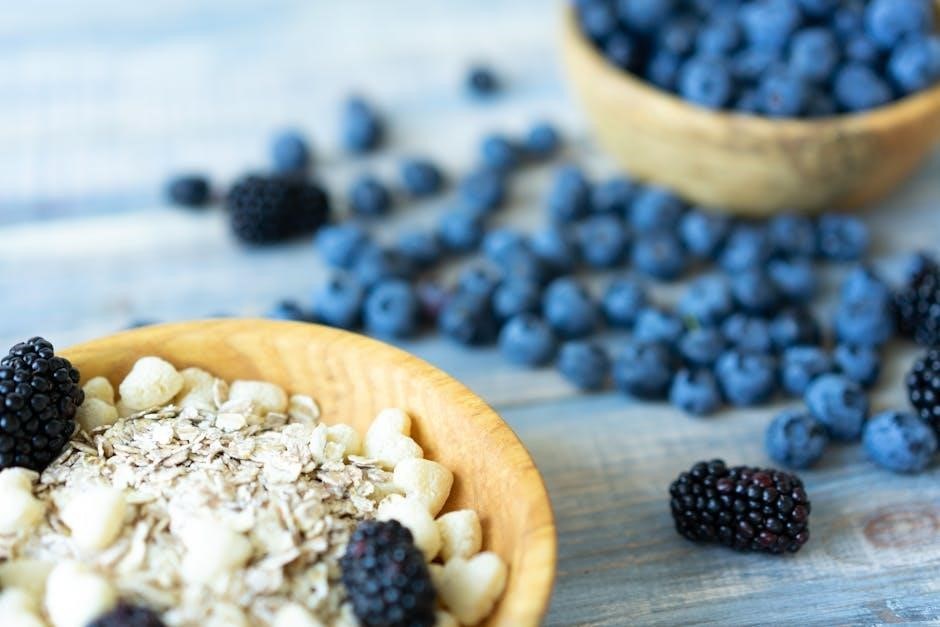
Embrace a colorful foundation of naturally gluten-free options, including vibrant fruits, vegetables, lean proteins, and wholesome grains, as highlighted in essential food lists.
Fruits & Vegetables: A Colorful Foundation
Building a gluten and dairy-free diet begins with nature’s bounty: fruits and vegetables. These are inherently free from gluten and dairy, forming the vibrant cornerstone of a healthy eating plan. A comprehensive food list PDF should prioritize a rainbow of produce, ensuring a diverse intake of essential vitamins and minerals.
Think beyond the basics! Berries, apples, bananas, oranges, and melons offer sweetness, while leafy greens like spinach and kale provide vital nutrients. Root vegetables such as carrots, potatoes, and sweet potatoes are incredibly versatile. Broccoli, cauliflower, peppers, and zucchini add texture and flavor to any meal.
When referencing a gluten and dairy-free food list PDF, remember that fresh, frozen, and canned (in water, not sauce) options are all excellent choices. Prioritize whole, unprocessed fruits and vegetables whenever possible to maximize nutritional benefits and avoid hidden additives.
Proteins: Meat, Poultry, Fish & Legumes
Sustaining energy and building strength on a gluten and dairy-free diet relies on adequate protein intake. Your gluten and dairy-free food list PDF should prominently feature a variety of protein sources. Unprocessed meats, poultry, and fish are naturally gluten and dairy-free, but always check for marinades or coatings that might contain hidden ingredients.
Lean options like chicken breast, turkey, and fish (salmon, tuna, cod) are excellent choices. Red meat can be included in moderation. For plant-based protein, legumes are a fantastic addition – think lentils, chickpeas, black beans, and kidney beans.
A well-rounded PDF list will also include nuts and seeds, offering both protein and healthy fats. Remember to prioritize low-fat and lean protein sources, as suggested, for optimal health benefits when building your shopping list.
Naturally Gluten-Free Grains & Seeds
Building a comprehensive gluten and dairy-free food list PDF requires careful consideration of grain and seed options. While wheat, barley, and rye are off-limits, numerous naturally gluten-free alternatives exist to provide essential carbohydrates and nutrients.
Your PDF should include grains like rice (brown, white, wild), quinoa, corn (polenta, cornmeal – ensure it’s not cross-contaminated), and oats (certified gluten-free, as oats are often processed in facilities handling wheat). Seeds like chia seeds, flax seeds, sunflower seeds, and pumpkin seeds are also excellent additions.
These provide fiber, healthy fats, and additional protein. Prioritize including plenty of these nutritious, naturally gluten-free foods in your diet, as highlighted, when compiling your shopping list for a balanced and fulfilling eating plan.

Naturally Dairy-Free Foods
A detailed gluten and dairy-free food list PDF must showcase naturally dairy-free options, including abundant fruits, vegetables, lean proteins, and healthy fats for optimal nutrition.
Plant-Based Milk Alternatives
A comprehensive gluten and dairy-free food list PDF should prominently feature a diverse range of plant-based milk alternatives, crucial for those eliminating dairy. Almond milk, a popular choice, offers a mild flavor and is widely available, but always check labels for added gluten;
Soy milk provides a protein-rich option, while coconut milk lends a creamy texture perfect for cooking and baking. Oat milk has gained popularity for its naturally sweet taste and smooth consistency, though gluten-free certification is vital due to potential cross-contamination during oat processing.
Other excellent choices include cashew milk, rice milk, and hemp milk, each offering unique nutritional profiles and flavors. When selecting these alternatives, prioritize unsweetened varieties to minimize added sugars. The PDF should also note potential allergens beyond dairy and gluten, such as nut allergies, and encourage consumers to read ingredient lists carefully.
Dairy-Free Protein Sources
A detailed gluten and dairy-free food list PDF must emphasize robust dairy-free protein options to ensure adequate nutrient intake. Lean meats, poultry, and fish are naturally gluten and dairy-free, but processing methods require label scrutiny. Legumes – beans, lentils, and chickpeas – are excellent plant-based protein sources, versatile for various meals.
Tofu and tempeh, derived from soybeans, provide complete proteins and are staples in many dairy-free diets. Nuts and seeds, like almonds, chia seeds, and hemp seeds, offer protein alongside healthy fats. The PDF should highlight the importance of choosing lean protein sources and incorporating a variety to meet individual needs.
It’s crucial to note that some processed meat products may contain hidden gluten or dairy ingredients, reinforcing the need for diligent label reading.

Gluten-Free Alternatives & Replacements
A comprehensive gluten and dairy-free food list PDF should detail suitable replacements for wheat-based products, including flour, bread, and pasta, for dietary success.
Gluten-Free Flour Options
A detailed gluten and dairy-free food list PDF must include a robust section on flour alternatives, as this is fundamental to gluten-free baking and cooking. Several excellent options exist, each with unique properties impacting texture and flavor.
Almond flour, crafted from blanched almonds, lends a slightly sweet, moist quality – ideal for cakes and cookies. Coconut flour, highly absorbent, requires more liquid in recipes and offers a subtle coconut flavor. Rice flour, available in white and brown varieties, provides a neutral base, though can sometimes be gritty.
Other valuable additions include tapioca flour (for binding), potato starch (for lightness), and sorghum flour (a whole-grain option). Blends, often pre-mixed, combine several flours to mimic wheat flour’s characteristics more closely. The PDF should specify usage recommendations for each flour, noting potential adjustments needed for optimal results in various recipes. Understanding these nuances is crucial for successful gluten-free baking.
Gluten-Free Bread & Pasta
A comprehensive gluten and dairy-free food list PDF needs a dedicated section for bread and pasta alternatives, as these are common dietary staples. Thankfully, numerous options now cater to those avoiding gluten. Bread choices range from pre-made loaves utilizing gluten-free flour blends to those crafted from individual flours like rice or almond.
Look for certified gluten-free labels to ensure purity. Pasta alternatives include options made from rice, corn, quinoa, or legumes like chickpeas and lentils. These provide varying textures and nutritional profiles. Some brands offer pasta made entirely from vegetables, like zucchini or sweet potato.
The PDF should clearly indicate ingredient lists and potential allergens. It’s also beneficial to note cooking times, as gluten-free pasta often requires different preparation than traditional wheat pasta. Exploring these alternatives expands culinary possibilities while adhering to dietary restrictions.
Gluten-Free Baking Ingredients
A detailed gluten and dairy-free food list PDF must include a robust section on baking ingredients, as gluten often hides in unexpected places. Essential replacements include gluten-free flour blends, almond flour, coconut flour, and tapioca starch. These provide different textures and flavors, impacting the final product.
Beyond flour, the PDF should list gluten-free baking powder and baking soda, verifying they haven’t been processed with wheat-based additives. Xanthan gum or guar gum are crucial for binding, mimicking gluten’s elasticity. Dairy-free butter alternatives, like coconut oil or vegan butter spreads, are also vital.
The list should specify certified gluten-free vanilla extract and chocolate chips. Clearly noting these substitutions empowers bakers to recreate favorite recipes successfully, ensuring a delicious and safe outcome for those with sensitivities.

Dairy-Free Alternatives & Replacements
A comprehensive gluten and dairy-free food list PDF should detail plant-based milk options, dairy-free cheeses, and yogurt alternatives for versatile dietary inclusion.
Dairy-Free Cheese Options
A detailed gluten and dairy-free food list PDF must include a robust section on cheese alternatives, as cheese is a common dietary challenge. Numerous plant-based options now mimic the taste and texture of traditional dairy cheeses, utilizing ingredients like cashews, almonds, soy, and coconut.
Consider including specific brands and varieties within the PDF, noting whether they are shredded, sliced, or block-style. Highlight options suitable for melting, grating, or spreading, catering to diverse culinary applications.
The list should differentiate between nut-based cheeses (often richer and creamier), soy-based cheeses (generally more affordable), and coconut-based cheeses (which can have a slightly sweeter flavor profile).
Furthermore, indicate if the cheese alternatives are certified gluten-free to address combined dietary restrictions. A well-organized PDF will empower users to confidently navigate the dairy-free cheese landscape.
Dairy-Free Yogurt & Creamer Alternatives
A comprehensive gluten and dairy-free food list PDF needs a dedicated section for yogurt and creamer substitutes, crucial for breakfast, desserts, and beverages. Plant-based yogurts are readily available, crafted from coconut, almond, soy, cashew, and oat milk, offering diverse flavors and textures.
The PDF should specify whether the yogurts are sweetened or unsweetened, and highlight probiotic content for gut health benefits; For creamers, options include almond, coconut, oat, and soy-based varieties, both flavored and unflavored.
Detailing ingredient lists is vital, ensuring the absence of hidden gluten or dairy derivatives.
Include notes on suitability for different uses – some creamers froth better for lattes, while others are ideal for baking. A clear, detailed PDF empowers informed choices for a satisfying dairy-free experience.

Hidden Sources of Gluten & Dairy
A gluten and dairy-free food list PDF must emphasize vigilance; these ingredients lurk unexpectedly in processed foods, demanding careful label scrutiny for safe consumption.
Reading Food Labels: What to Watch For
Utilizing a gluten and dairy-free food list PDF is a fantastic starting point, but truly navigating the grocery store requires becoming a proficient label reader. Beyond simply checking for “gluten-free” or “dairy-free” claims, delve into the ingredient list itself.
For gluten, be aware of hidden sources like modified food starch (unless specified as gluten-free), malt flavoring, and soy sauce. Look for wheat, barley, and rye – these are obvious indicators. “Hydrolyzed vegetable protein” can also be a sneaky source, so investigate further.
Dairy hides under various names: whey, casein, lactose, and milk solids are common culprits. Be cautious of ingredients like “natural flavors,” as they can contain dairy derivatives. A comprehensive gluten and dairy-free food list PDF should highlight these potential hidden ingredients, empowering informed choices. Always prioritize products with clear, concise labeling and certifications when available.
Common Culprits in Processed Foods
Even with a detailed gluten and dairy-free food list PDF in hand, processed foods present unique challenges. Sauces, dressings, and soups frequently contain hidden gluten as a thickening agent or flavoring component. Pre-made marinades often utilize soy sauce, a common gluten source, so careful scrutiny is essential.

Dairy frequently appears in unexpected places like processed meats, breaded items, and even some medications. Snack foods, including chips and crackers, can harbor both gluten and dairy;
Be particularly vigilant with imitation seafood and certain spice blends. Relying on a gluten and dairy-free food list PDF as a guide, combined with diligent label reading, is crucial for avoiding accidental consumption. Prioritize whole, unprocessed foods whenever possible to minimize risk and maximize nutritional value.
Creating a Gluten & Dairy-Free Shopping List (PDF Focus)
A printable PDF gluten and dairy-free food list streamlines grocery shopping, ensuring you stay on track with dietary needs and avoid accidental ingredient mishaps.
Essential Elements of a Printable PDF List
A truly useful gluten and dairy-free shopping list PDF transcends a simple itemized collection; it’s a carefully constructed tool for dietary success. Essential elements begin with clear categorization – grouping items by grocery store sections (produce, pantry, dairy alternatives, etc.) dramatically speeds up shopping.
Include brand recommendations for certified gluten-free and dairy-free products, as navigating labels can be tricky. Specify product types (e.g., almond milk – unsweetened, vanilla) to avoid confusion. A “Notes” column allows for personal preferences or specific dietary requirements.
Consider a “Staples” section for frequently purchased items, and a separate area for “New Items” to try. Prioritize naturally nutritious foods like vegetables, fruits, beans, nuts, and seeds. A well-designed PDF will be visually appealing, easy to read, and optimized for printing – ensuring a stress-free shopping experience.
Resources for Downloadable Gluten & Dairy-Free PDFs
Fortunately, numerous online resources offer downloadable gluten and dairy-free shopping lists in PDF format, simplifying meal planning and grocery shopping. Salted Plains provides a guide and printable list designed to fit individual needs, acknowledging that stocking a specialized pantry can feel overwhelming.
Many health and wellness websites curate comprehensive lists, often categorized by dietary restriction severity or specific health conditions. Pinterest is a treasure trove, with numerous user-created lists available for free download. Dedicated gluten-free and dairy-free blogs frequently offer downloadable resources as part of their content.
Remember to verify the source’s credibility and ensure the list aligns with your specific dietary requirements. Look for lists updated recently (like those from October 2020 or later) to reflect current product availability and certifications.
Tips for Success on a Gluten & Dairy-Free Diet
Utilize a detailed, downloadable PDF food list for streamlined grocery shopping and meal planning, ensuring adherence to your dietary needs consistently and effectively.
Meal Planning & Preparation
Effective meal planning is paramount when navigating a gluten and dairy-free diet, and a comprehensive PDF food list becomes your invaluable ally. Begin by dedicating time each week to map out your meals, referencing your list to ensure ingredient availability and variety.
Batch cooking is a fantastic strategy; prepare larger quantities of gluten-free grains, roasted vegetables, and protein sources to streamline weeknight dinners. Focus on simple recipes utilizing naturally gluten-free and dairy-free ingredients – think stir-fries, salads, and sheet-pan meals.
Don’t underestimate the power of leftovers! Repurpose cooked ingredients into new dishes to minimize waste and save time. A well-organized pantry, guided by your PDF list, will further simplify preparation, making gluten and dairy-free eating sustainable and enjoyable. Remember to always double-check labels!
Eating Out & Travel Considerations
Maintaining a gluten and dairy-free diet while dining out or traveling requires proactive planning, and your trusty PDF food list is essential. Before visiting a restaurant, review their menu online, searching for naturally gluten-free and dairy-free options or potential modifications.
Don’t hesitate to communicate your dietary needs clearly to your server, emphasizing the importance of avoiding cross-contamination. When traveling, pack a supply of gluten-free snacks and staples, referencing your list to ensure you have familiar, safe foods available.
Research grocery stores at your destination to replenish supplies. A digital copy of your PDF list on your phone provides convenient access, empowering you to make informed choices wherever your adventures take you, ensuring a stress-free and delicious experience.