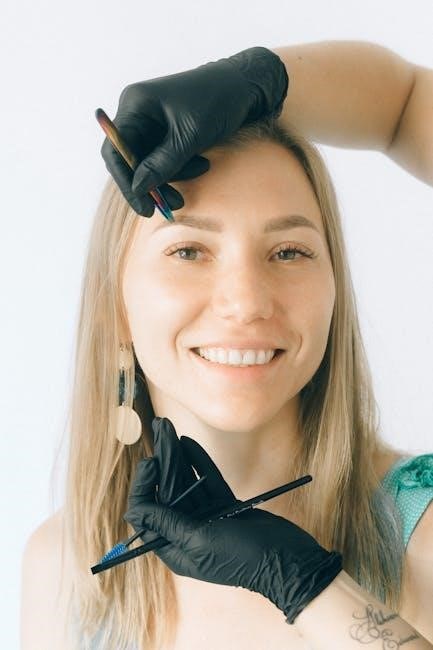
Eyelash extensions are a booming beauty trend, offering a convenient way to achieve a glamorous look with various courses available for professional application․
From Classic to Mega Volume techniques, training encompasses health, safety, client consultation, and proper eyelash mapping for stunning, natural results․
What are Eyelash Extensions?
Eyelash extensions are a cosmetic treatment designed to enhance the length, curl, fullness, and color of your natural eyelashes․ Unlike temporary false eyelashes, extensions are applied individually to each natural lash, creating a more natural-looking and long-lasting result․
They are crafted from various materials – silk, mink, or synthetic fibers – and attached using a semi-permanent adhesive․ The process involves meticulously bonding an extension to each individual natural lash, allowing for a customized look tailored to your preferences․ This differs significantly from strip lashes, offering a more seamless and comfortable wear․
The goal is to provide a fuller, more dramatic lash line without the need for mascara, ultimately boosting confidence and simplifying your beauty routine․ Properly applied extensions should look natural and blend seamlessly with your existing lashes․
The History of Eyelash Extensions
While popularized recently, the concept of enhancing eyelashes dates back to the early 20th century․ Initially, women used methods like cutting and sewing crepe hair onto eyelids, a time-consuming and often uncomfortable process․ However, the modern eyelash extension as we know it began to emerge in Asia, particularly in South Korea, during the early 2000s․
Korean beauty innovations quickly gained traction, and the technique spread to other parts of the world․ Early extensions were heavier and less refined than today’s options․ As demand grew, advancements in adhesive technology and lash materials led to lighter, more natural-looking extensions․
The rise of social media and celebrity endorsements further fueled the popularity of eyelash extensions, transforming them into a mainstream beauty treatment globally․
Types of Eyelash Extensions
Eyelash extensions offer diverse styles to suit individual preferences․ Classic extensions involve applying a single extension to each natural lash, creating a natural enhancement․ Volume extensions utilize multiple lightweight extensions per natural lash, resulting in a fuller, more dramatic look․
Mega Volume extensions take fullness to the next level, employing even more extensions for a bold, glamorous effect․ Hybrid extensions combine classic and volume techniques, offering a customized, textured appearance․
The choice depends on desired intensity and natural lash health․ Volume and Mega Volume require skilled application to avoid damage, while classic and hybrid options provide more subtle results․
Classic Eyelash Extensions
Classic eyelash extensions represent the foundational technique in lash enhancement․ This method involves meticulously attaching a single, individual eyelash extension to each natural lash․ The goal is to increase length and curl, creating a naturally enhanced look without appearing overly dramatic․
A key aspect of classic application is selecting the appropriate extension weight and length to complement the client’s natural lashes, ensuring comfort and preventing damage; Proper isolation of each lash is crucial for a clean, beautiful result․
Classic lashes are ideal for clients seeking a subtle yet noticeable improvement to their lashes, offering a polished and refined aesthetic․
Volume Eyelash Extensions
Volume eyelash extensions offer a fuller, more dramatic look compared to classic lashes․ This technique involves applying multiple lightweight extensions – typically 2-6 – to a single natural lash, creating a voluminous fan effect․ Mastering volume requires advanced training and precision․
The key to successful volume application lies in creating consistent, well-balanced fans and ensuring proper weight distribution to avoid damaging the natural lashes․ Different volume levels (2D, 3D, etc․) allow for customization based on the client’s desired fullness․
Volume lashes are perfect for clients wanting a bolder, more noticeable enhancement, providing a glamorous and captivating appearance․
Mega Volume Eyelash Extensions
Mega Volume eyelash extensions represent the pinnacle of lash fullness, utilizing even more extensions per natural lash than traditional volume sets – typically 8-20 or more․ This technique delivers an incredibly dramatic and luxurious look, ideal for clients desiring maximum impact․
Due to the increased number of extensions, mega volume requires exceptional skill and a thorough understanding of lash health and weight considerations․ Proper fan creation, balanced distribution, and meticulous isolation are crucial to prevent damage․
Mega volume is best suited for clients with strong, healthy natural lashes capable of supporting the added weight, offering a truly stunning and head-turning result․
Hybrid Eyelash Extensions
Hybrid eyelash extensions offer the best of both worlds, blending Classic and Volume techniques for a customized, textured look․ This style strategically combines individual lash extensions with lightweight volume fans, creating a natural yet enhanced effect․
The versatility of hybrid lashes allows technicians to tailor the design to each client’s preferences and natural lash line․ It’s a fantastic option for those wanting more fullness than classic lashes but a softer appearance than full volume․
Hybrid sets provide dimension and subtle drama, resulting in a beautifully textured and full lash line without appearing overly artificial or heavy․ It’s a popular choice for a sophisticated, everyday look․
The Eyelash Extension Application Process
Eyelash extension application is a meticulous process demanding precision and hygiene․ It begins with a thorough client consultation and patch test to assess suitability and identify allergies․ Next, preparation and isolation of natural lashes are crucial, ensuring only individual lashes are worked with․
Eyelash mapping and design follows, customizing the look based on eye shape and client desires․ The extension application technique itself requires skillful attachment of extensions using a safe adhesive․
Final touches and aftercare instructions complete the service․ Clients receive guidance on cleaning, avoiding oil-based products, and proper lash care to maximize longevity and maintain lash health․
Client Consultation and Patch Test
Client consultation is the foundational step, discussing desired lash style, length, and curl․ A detailed health questionnaire identifies contraindications like allergies or eye conditions․ Understanding client expectations ensures satisfaction and a safe service․
Crucially, a patch test is performed, applying a few extensions to assess for allergic reactions to the adhesive․ This typically occurs 24-48 hours prior to the full application․ Observing for redness, itching, or swelling is vital․
This proactive step minimizes risks and demonstrates professional care․ Thorough documentation of the consultation and patch test results is essential for client safety and legal protection․
Preparation and Isolation
Preparation begins with the client comfortably reclined and eyes thoroughly cleansed to remove makeup and oils․ A gentle primer prepares the natural lashes for optimal adhesive bonding․ Protecting the lower lashes is paramount, typically using hydrogel pads to prevent accidental attachment․
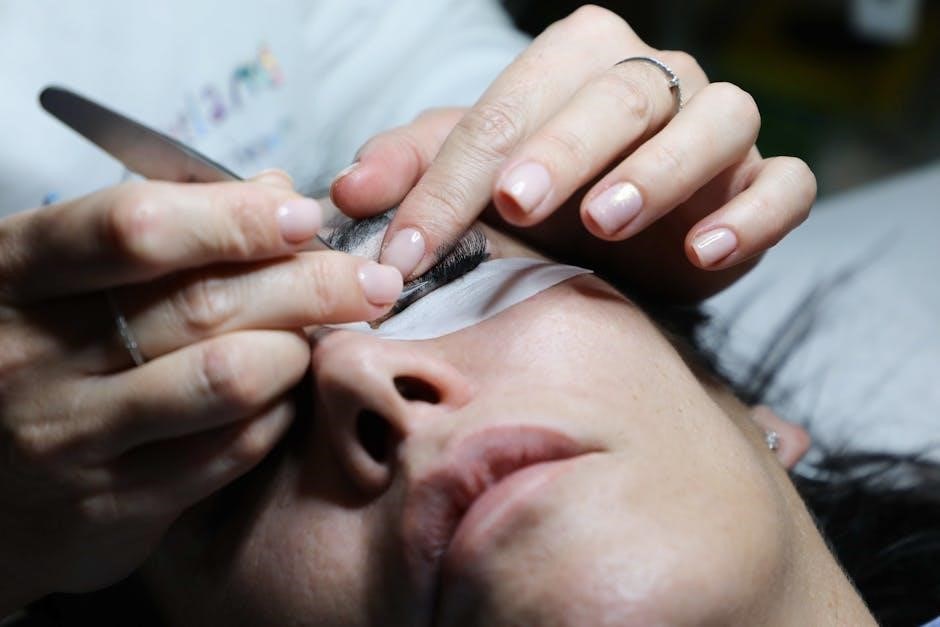
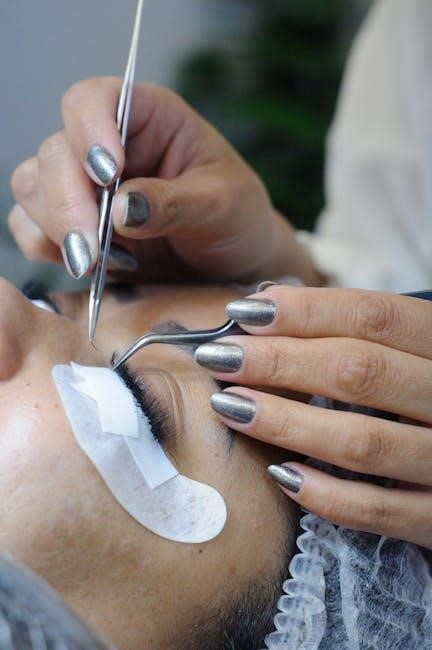
Isolation is the most critical technical skill․ Each individual natural lash must be meticulously isolated using specialized tweezers․ This prevents lashes from sticking together, ensuring a clean, defined look and preventing discomfort or damage․
Proper isolation guarantees the extensions adhere only to single natural lashes, maintaining lash health and the longevity of the set․ Consistent, precise isolation is key to a professional result․
Eyelash Mapping and Design
Eyelash mapping is the art of customizing the extension application to enhance each client’s unique eye shape and desired look․ It involves strategically planning the length, curl, and placement of extensions across the lash line․
A skilled lash artist considers factors like eye symmetry, natural lash direction, and client preferences․ Different mapping techniques – such as cat-eye, round, or natural – create distinct effects․
Design includes selecting appropriate extension lengths and curls to complement the client’s features․ Careful mapping ensures a balanced, aesthetically pleasing result, avoiding a heavy or unnatural appearance․ It’s a crucial step for client satisfaction․
Extension Application Technique
The extension application technique demands precision and skill․ It begins with isolating a single natural lash using specialized tweezers․ A small amount of adhesive is then carefully applied to the base of the extension․
The extension is gently adhered to the natural lash, approximately 0․5-1mm away from the eyelid․ This prevents discomfort and allows for natural lash growth; Maintaining proper isolation is vital to avoid stickies – lashes glued together – which can cause damage․
Consistent, even application ensures a seamless, lightweight feel and a long-lasting, beautiful result․ Proper technique minimizes stress on the natural lashes․
Final Touches and Aftercare Instructions
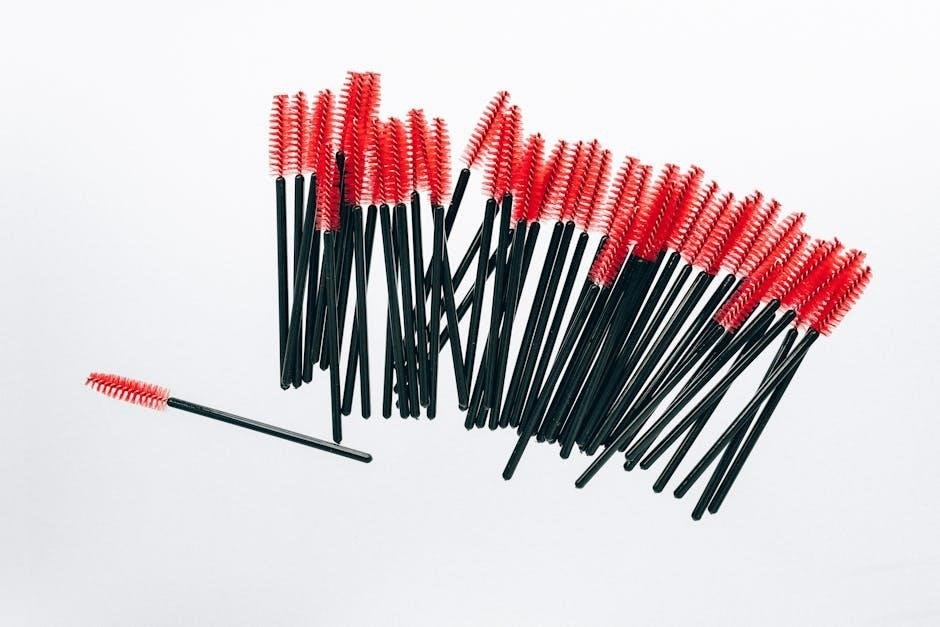
Final touches involve a thorough check for any stuck lashes and a gentle brushing to blend the extensions․ Clients receive detailed aftercare instructions crucial for longevity․ Avoiding oil-based products around the eyes is paramount, as oil breaks down the adhesive․
Gentle cleaning with a lash cleanser is recommended to maintain hygiene and prevent buildup․ Brushing daily with a spoolie keeps lashes neat and prevents tangling․
Clients should avoid mascara and excessive rubbing of the eyes․ Following these guidelines ensures the extensions remain beautiful and minimizes potential irritation or damage to natural lashes, maximizing their lifespan․
Eyelash Extension Materials and Tools
Eyelash extensions utilize diverse materials: silk offers a natural sheen, mink provides a luxurious, soft texture, and synthetic options offer affordability and varied curls․ Selecting the right adhesive is critical, considering factors like drying time, sensitivity, and bond strength․
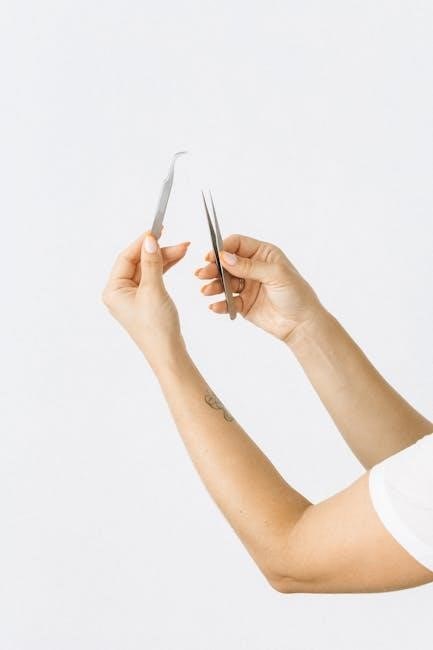
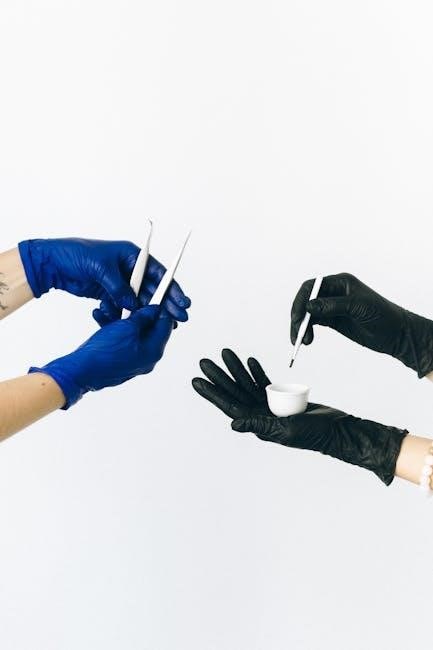
Essential tools include precision tweezers for isolation and application, a primer to cleanse and prepare lashes, and a specialized remover for safe removal․ Proper tool maintenance is vital for hygiene and optimal performance․ Quality materials and tools are fundamental for successful and safe application․
Types of Eyelash Materials (Silk, Mink, Synthetic)
Silk lashes offer a natural luster and lightweight feel, mimicking the appearance of real lashes with a subtle sheen․ Mink lashes, known for their softness and flexibility, provide a luxurious and voluminous look, though ethical sourcing is a key consideration․
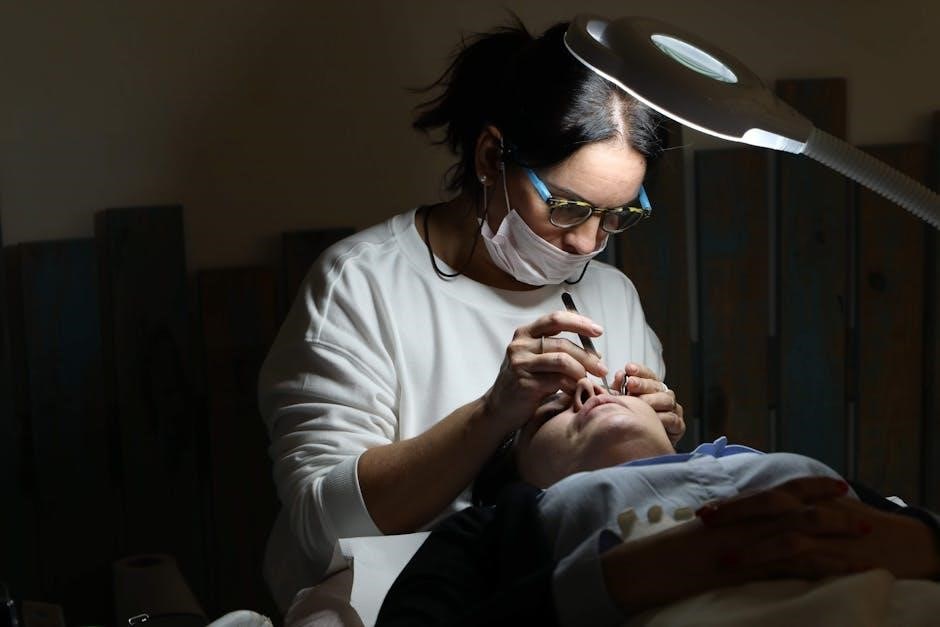
Synthetic lashes are a popular, affordable alternative, available in a wide range of curls, lengths, and thicknesses․ They are hypoallergenic and suitable for sensitive eyes․ Material choice impacts the overall look, comfort, and longevity of the extensions, allowing technicians to customize the service to individual client preferences․
Adhesive Types and Considerations
Eyelash extension adhesive is crucial for both retention and safety․ Common types include acrylic-based adhesives, offering varying drying times and strengths․ Faster-drying adhesives are preferred by experienced technicians, while slower-drying formulas allow for adjustments during application․
Considerations include adhesive color (clear, black), sensitivity, and humidity levels․ Proper storage is vital to maintain adhesive efficacy․ Technicians must be trained in safe adhesive handling and understand potential allergic reactions․ Choosing the right adhesive ensures a secure hold and minimizes the risk of irritation or damage to natural lashes․
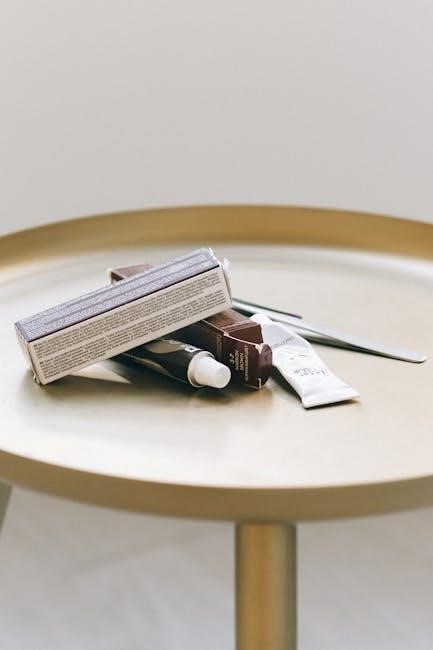
Essential Tools: Tweezers, Primer, Remover
Eyelash extension application relies on specialized tools․ Tweezers – both straight and curved – are fundamental for precise isolation and extension placement․ A quality primer prepares natural lashes by removing oils and enhancing adhesive bonding; Different primers cater to varying lash types and sensitivities․
Removers are essential for safe extension removal, preventing damage to natural lashes․ Cream and gel removers gently dissolve adhesive, while steam removers offer a quicker alternative․ Proper tool sterilization is paramount to prevent cross-contamination and ensure client safety․ Investing in high-quality tools elevates the application process and client experience․
Eyelash Extension Training and Certification
Professional eyelash extension training is crucial for safe and effective application․ Classic Lash Extension Courses provide foundational skills, covering health, safety, and application techniques․ Volume Lash Extension Courses build upon this, teaching advanced fanning and layering methods․ Numerous options exist, including online eyelash extension courses, often including kits for practice․
Certification demonstrates competency and builds client trust․ Reputable training programs emphasize hygiene, anatomy, and proper product usage․ Choosing accredited courses ensures adherence to industry standards․ Ongoing education is vital to stay updated on new techniques and products, enhancing skills and service quality․
Classic Lash Extension Courses
Classic Lash Extension Courses are the ideal starting point for aspiring lash artists․ These foundational programs delve into essential aspects like health, safety, and hygiene protocols, ensuring a safe environment for both technician and client․ A core component is mastering the client consultation process, understanding individual needs and preferences․
Students learn detailed eyelash mapping techniques to design flattering looks, alongside proper preparation and isolation methods․ The curriculum covers the correct application technique, focusing on single lash extensions per natural lash․ These courses equip individuals with the skills to deliver beautiful, natural-looking lash enhancements, building a solid base for further specialization․
Volume Lash Extension Courses
Volume Lash Extension Courses build upon the foundation of classic techniques, introducing the art of creating fuller, more dramatic looks․ These advanced programs focus on applying multiple lightweight extensions to each natural lash, achieving a voluminous yet natural effect․ Students learn specialized fanning techniques and adhesive control for optimal retention and comfort․
A key element is mastering the creation of volume fans – typically 2D to 5D – and their precise placement․ Courses emphasize understanding lash weight and balance to avoid damaging the natural lashes․ Successful completion equips lash artists with the skills to cater to clients desiring a bolder, more glamorous aesthetic, expanding their service offerings․
Online Eyelash Extension Courses
Online Eyelash Extension Courses offer a flexible learning pathway for aspiring lash artists, often including comprehensive video tutorials and downloadable resources․ Many programs, like those from MG Makeovers, incorporate kits with essential tools and materials for hands-on practice․ These courses cover foundational knowledge – health, safety, client consultation – alongside practical application techniques․
While convenient, it’s crucial to select reputable providers offering thorough instruction and support․ Some specialize in specific techniques, such as Russian Volume or Lash Lift & Tint․ Online learning requires self-discipline, but allows students to learn at their own pace, balancing education with existing commitments․ Practical, in-person practice is still highly recommended to refine skills․
Eyelash Extension Aftercare
Proper aftercare is vital for maintaining the longevity and health of your eyelash extensions․ Cleaning should be done regularly with a gentle, oil-free cleanser to remove makeup and debris, preventing build-up that can lead to irritation or infection․ Avoiding oil-based products – including makeup removers and cleansers – is crucial, as oil breaks down the adhesive bond․
Gently brushing and combing your lashes daily with a spoolie brush helps to keep them neat and prevent tangling․ Avoid excessive rubbing or pulling, which can damage your natural lashes․ Following these simple steps will ensure your extensions remain beautiful and healthy for as long as possible, maximizing your investment and minimizing potential complications․
Cleaning and Maintenance
Regular cleaning is paramount for optimal eyelash extension health and retention․ Daily cleansing removes makeup, oils, and debris that compromise the adhesive bond and can cause irritation․ Use a specialized, oil-free lash cleanser – regular cleansers often contain oils that weaken the extensions․
Gently cleanse along the lash line with a soft brush or applicator, avoiding harsh rubbing․ Rinse thoroughly with water․ Maintenance also includes gently brushing your lashes daily with a clean spoolie to prevent tangling and maintain their shape․ Consistent cleaning and brushing significantly extend the life of your extensions and promote good eye hygiene․
Avoiding Oil-Based Products
Oil-based products are the nemesis of eyelash extensions! They break down the adhesive, causing premature shedding and reduced longevity․ This includes makeup removers, cleansers, mascaras, and even some skincare items like eye creams and serums․
Carefully scrutinize ingredient lists, avoiding anything containing oils – mineral oil, coconut oil, almond oil, and jojoba oil are common culprits․ Opt for oil-free alternatives specifically formulated for lash extensions․ Even natural oils can be detrimental․ Diligence in avoiding oil-based products is crucial for maximizing the lifespan and maintaining the integrity of your beautiful new lashes․
Brushing and Combing
Regular brushing and combing are essential for maintaining the appearance and health of your eyelash extensions․ This simple practice prevents lashes from becoming tangled, twisted, or clumped together, ensuring a consistently full and fluffy look․
Use a clean, spoolie brush – the kind often found with mascara – and gently brush through your lashes daily, starting from the base and moving towards the tips․ Avoid pulling or tugging․ This helps distribute natural oils, removes debris, and keeps your lashes neat․ Proper brushing extends the life of your extensions and promotes optimal hygiene․
Potential Risks and Complications
Eyelash extension application, while generally safe, carries potential risks․ Allergic reactions to adhesive components are possible, manifesting as redness, itching, or swelling․ Infections or irritation can occur from poor hygiene or improper application techniques, emphasizing the importance of a qualified technician․
Perhaps the most common concern is natural lash damage․ Incorrect application, excessively heavy extensions, or inadequate aftercare can lead to breakage or premature lash loss․ It’s crucial to choose a skilled professional and diligently follow aftercare instructions to minimize these complications and maintain healthy, natural lashes․
Allergic Reactions
Allergic reactions to eyelash extension adhesives are a significant concern, though not universally experienced․ Symptoms can range from mild discomfort – like redness, itching, and slight swelling of the eyelids – to more severe reactions involving significant inflammation and discomfort; The primary allergen is often cyanoacrylate, a key component in most lash adhesives․
A patch test, performed 48-72 hours before a full application, is crucial for identifying potential sensitivities․ If a reaction occurs during the patch test, or after a full application, immediate removal of the extensions and consultation with a medical professional are recommended․ Avoiding future applications is then necessary․

Infections and Irritation
Infections and irritation are potential risks associated with improper eyelash extension hygiene or technique․ Poor sanitation of tools, inadequate cleansing of the natural lashes, or touching the extensions with unclean hands can introduce bacteria, leading to blepharitis (eyelid inflammation) or conjunctivitis (pink eye)․
Symptoms include redness, swelling, pain, discharge, and crusting along the lash line․ Irritation can also occur from adhesive fumes or physical abrasion of the eyelids․ Maintaining meticulous hygiene, including regular lash cleanses with a gentle cleanser, is vital․ Any signs of infection require immediate medical attention and temporary removal of the extensions․
Natural Lash Damage
Natural lash damage is a significant concern with improper eyelash extension application or aftercare․ Applying extensions that are too heavy or long for the natural lashes can cause breakage and premature shedding․ Over-extension, or consistently applying extensions too close to the eyelid margin, weakens the follicles․
Aggressive pulling or picking at extensions can also inflict trauma․ Clients should be educated on the importance of gentle aftercare and avoiding oil-based products․ Regular breaks from extensions allow natural lashes to recover and regain strength․ A skilled technician prioritizes lash health, selecting appropriate extension weights and lengths to minimize potential damage․
Cost of Eyelash Extensions
Eyelash extension costs vary significantly based on location, technician experience, and the type of extensions chosen․ Initial application costs typically range from $100 to $300, with volume lashes generally being more expensive than classic lashes․
Refill costs, needed every 2-3 weeks to maintain fullness, usually fall between $50 and $150․ Factors affecting price include the length of the appointment, the quality of the materials used, and any specialized techniques employed․ Some salons offer package deals or membership programs for discounted refills․ Online courses can also represent a significant investment for aspiring lash technicians․
Initial Application Costs
Initial eyelash extension application represents the largest expense for clients, encompassing the full set of lashes and the technician’s time․ Expect to pay between $100 and $300, depending on several key factors․ Classic lash extensions generally start at the lower end of this range, around $100-$150, offering a natural enhancement․
More dramatic styles, like volume lashes or hybrid extensions, typically cost $150-$300 due to the increased time and product usage․ Location also plays a role, with prices being higher in major metropolitan areas․ Remember to factor in potential consultation fees, though many salons offer free consultations․
Refill Costs
Eyelash extension refills are necessary every 2-3 weeks as natural lashes shed, taking the extensions with them․ Refills are significantly cheaper than the initial full set, typically ranging from $50 to $100․ The exact cost depends on how many lashes have fallen out and the style of extensions․
A “fluff” or mini-fill, addressing only a few sparse areas, will be less expensive than a full refill, replacing a substantial number of lashes․ Consistent refills are crucial to maintain a full, beautiful look․ Skipping refills for too long may require a new full set, reverting to the higher initial cost․
Factors Affecting Price
Several factors influence the cost of eyelash extensions․ The lash technician’s experience and location play a significant role, with highly skilled artists in major cities often charging more․ The type of extensions – Classic, Volume, or Mega Volume – directly impacts the price, with more complex sets costing more due to time and product usage․

Additionally, the quality of the lash materials (silk, mink, or synthetic) affects the price․ Salons offering premium materials will likely have higher rates․ Finally, any added embellishments, like colored lashes or crystals, will increase the overall cost of the service․