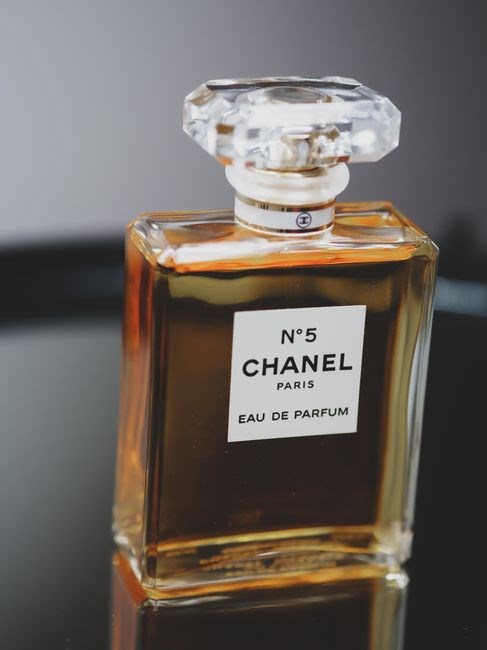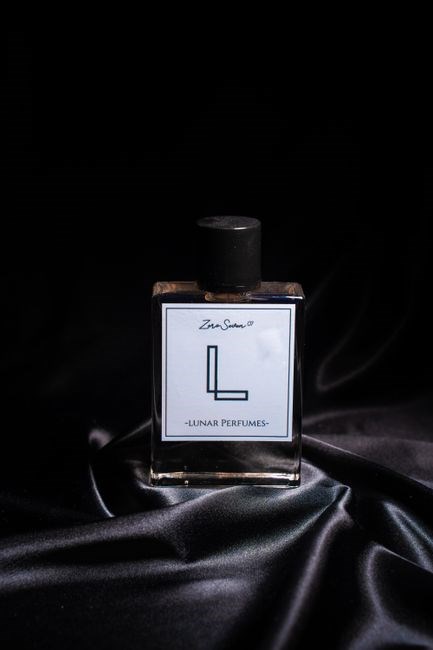
Perfume novels weave scent into narrative, turning aromas into plot devices that deepen character and mood. Their roots trace back to early 20th‑century literature, yet modern PDFs bring these fragrant stories to a global audience, offering instant access and portable reading. Readers smell the air
Popular Perfume Novel PDFs
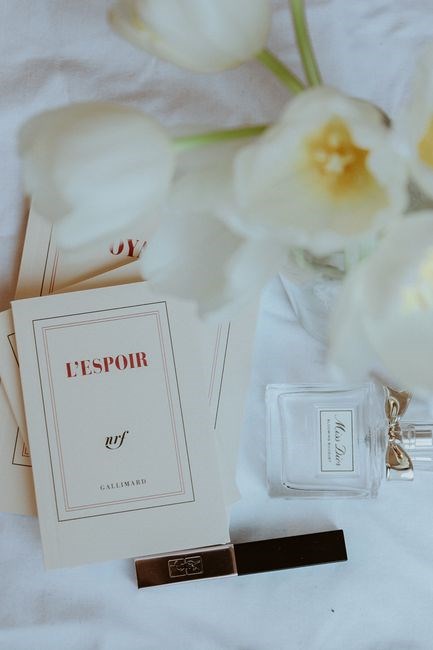
Readers seeking fragrant tales often turn to PDF collections that capture scent‑driven plots. Popular titles feature aromatic protagonists, mysterious alchemists, and evocative settings. PDFs provide high‑res images, searchable text, and convenient navigation for enthusiasts worldwide.
Top 5 Titles
Perfume: The Story of a Murderer by Patrick Süskind – a masterful blend of olfactory obsession and psychological depth. The PDF version preserves the original layout, allowing readers to savor the aromatic descriptions as they navigate the narrative.
The Scent of the Sea by R. L. Stine – a contemporary tale where sea breezes become clues. Its PDF format offers interactive hyperlinks to scent‑related footnotes, enhancing immersion.
Fragrance of the Forgotten by L. M. Brooks – a mystery set in a perfumery workshop. The PDF includes high‑resolution images of ingredients, giving readers a tactile feel for the storyline.
Essence of the Night by A. K. Patel – a romance that uses perfume as a narrative device. The PDF’s search function lets readers locate specific scent motifs quickly.
Whispers in Eau de Parfum by S. J. Lee – a thriller where each chapter ends with a distinct fragrance cue. The PDF’s annotation tools allow readers to jot down scent associations for later reflection.
These PDFs not only preserve the original typography but also offer interactive features such as embedded audio samples, where available, and customizable font sizes. Users can bookmark favorite passages, share links to specific pages, and even export highlights to external note‑taking apps, making the reading experience highly adaptable.
Collectors compare PDFs to print editions, noting layout differences and adding personal annotations now.
Where to Find Free PDFs
Finding legitimate free PDFs of perfume novels requires careful navigation through reputable digital libraries, open‑access repositories, and author‑supported platforms. Begin with the Internet Archive, where many classic works are digitized under public‑domain status; use the advanced search to filter by “perfume” or “fragrance” keywords. Next, explore Project Gutenberg, which hosts a selection of older works that have entered the public domain; their search bar often yields hidden gems that match scent‑centric themes. For contemporary works, authors sometimes release sample chapters or full PDFs under Creative Commons licenses on their personal websites or through Open Library; check the “Download” section for PDF options. Additionally, university digital repositories, such as those hosted by MIT OpenCourseWare or Harvard DASH, occasionally contain scholarly editions of perfume‑themed literature, available for free download after a simple institutional login. Finally, join niche forums or mailing lists dedicated to perfumery literature; members frequently share links to legally obtained PDFs or offer guidance on where to locate them. Always verify the source’s legitimacy before downloading to avoid malware or copyright infringement.
Readers who wish to explore further can subscribe to newsletters from perfumery societies, attend, or download guides explaining the chemistry behind each fragrance mentioned in the novels. These resources deepen appreciation and provide context for the sensory details that define the genre.

Legal Considerations
Legal considerations for perfume novel PDFs involve respecting copyright laws, ensuring downloads come from sources, and understanding licensing terms. Users must avoid unauthorized copies, as infringement can lead to penalties. Verify legitimacy before accessing PDFs!
Copyright Laws
When accessing or sharing perfume novel PDFs, it is essential to understand the legal framework that protects authors and publishers. Copyright law grants exclusive rights to reproduce, distribute, display, and create derivative works from a protected text. In most jurisdictions, these rights are automatic upon creation and do not require registration, though formal registration can provide additional legal benefits.

For perfume novels, the same principles apply as for any literary work. The text, characters, plot structure, and the unique sensory descriptions are subject to copyright protection. Unauthorized copying—whether downloading from a file‑sharing site, distributing copies to friends, or posting excerpts online—constitutes infringement unless the user falls under an exception such as fair use, which is narrowly defined and often requires a case‑by‑case analysis.
Fair use typically considers four factors: the purpose and character of the use, the nature of the copyrighted work, the amount used, and the effect on the market value. A scholarly review or a brief excerpt for critique may qualify, but mass downloading or commercial resale almost always violates the law. Additionally, many countries have specific provisions for digital distribution, requiring digital rights management (DRM) or licensing agreements to legally share PDFs.
To stay compliant, users should seek PDFs from reputable sources that have obtained proper licenses or are in the public domain. If a novel is still under copyright, purchasing an authorized digital copy or borrowing from a library’s e‑loan service is the safest route. When in doubt, consult legal counsel or refer to official copyright office guidelines.
International treaties harmonize protection across borders, ensuring consistent rights for a perfume novel published in one country. Respecting these laws preserves creative integrity and encourages continued publication of fragrant narratives.
Safe Download Practices
Downloading perfume novel PDFs safely involves several layers of protection. First, always use reputable sites that offer verified, licensed copies—such as official publisher portals, academic repositories, or well‑known ebook retailers. Avoid anonymous torrent or file‑sharing networks, which often host pirated content and expose users to malware.
Second, keep your operating system and antivirus software up to date. Before opening any downloaded file, run a full scan to detect potential threats. Using a sandbox or virtual machine for initial inspection can add an extra layer of safety, isolating the file from your main system. Additionally, verifying the publisher’s digital signature can confirm authenticity and protect against tampering!!
Third, verify the file’s integrity. Many legitimate distributors provide checksums or digital signatures. Compare the checksum of your downloaded PDF with the one listed on the source site; a mismatch signals tampering or corruption.
Fourth, respect the terms of use. If the PDF is licensed under a Creative Commons or open‑access agreement, ensure you comply with attribution or share‑alike requirements. For paid PDFs, confirm that the purchase was legitimate and that you retain a copy for personal use only.
Finally, consider using a dedicated PDF reader with built‑in security features—such as sandboxing, disabling JavaScript, and restricting external content. These tools help prevent malicious scripts embedded in the document from executing.
Reading Experience Enhancements
Enhance your perfume novel PDF journey with adjustable font sizes, night mode, and background color options. Use built‑in annotation tools to highlight fragrant passages, add sticky notes, and bookmark key scenes. Sync across devices for seamless, aromatic storytelling and savor aromatic storytelling now!
PDF Readers and Tools
Choosing the right PDF reader can transform how you experience a perfume novel. Lightweight apps like SumatraPDF offer speed, while full‑featured readers such as Adobe Acrobat Reader DC provide advanced annotation, text‑to‑speech, and cloud sync. For fragrance‑themed books, a reader that supports high‑resolution images preserves the subtle visual cues that accompany scent descriptions.
Beyond basic viewing, many tools enhance immersion. The “Read Aloud” feature in Microsoft Edge or the built‑in narration in Adobe Reader can bring the narrator’s voice to life, making the olfactory imagery resonate audibly. Annotation plugins allow you to highlight aromatic passages, add personal notes, and even tag sections with scent‑related keywords for quick reference.
For power users, PDF editors like Foxit PhantomPDF or Nitro Pro let you rearrange chapters, embed multimedia, or create interactive scent maps. These editors support form fields, so you can log your own scent impressions directly within the document. When sharing, the “Export to PDF/A” option preserves formatting across devices, ensuring the perfume novel’s layout remains intact.
Finally, consider accessibility tools. Screen readers interpret the text for visually impaired readers, while color‑blind modes adjust contrast to maintain readability. By combining a robust reader with these specialized tools, you can fully engage with the perfume novel’s narrative, imagery, and sensory details. Explore scent palettes and note how each aroma shifts mood.
Annotation and Note‑Taking
When reading a perfume novel PDF, annotations become a fragrant diary, capturing the subtle shifts in scent and mood. Use built‑in highlighters to mark aromatic passages, then add sticky notes with your own sensory impressions. Many readers support color coding—choose a violet highlight for lavender scenes, a green for citrus, and a warm amber for ambergris moments.
Beyond simple highlights, consider using the “Comment” tool to write brief reflections. For example, after a chapter that describes a garden at dusk, jot down how the scent profile mirrors the narrative tension. This practice not only deepens comprehension but also creates a personal scent map you can revisit during discussions or reviews.
Syncing annotations across devices is essential for on‑the‑go readers. Cloud‑enabled PDF apps automatically upload your notes to services like OneDrive or Google Drive, ensuring your scent notes travel with you. When sharing the PDF, export the annotated version as a new file, preserving all your insights for future readers or study groups.
When revisiting annotated PDFs, consider exporting your notes to a separate document for study or sharing. Many PDF readers let you create a “notes” PDF that compiles all highlights and comments, making it easy to reference scent analyses in group discussions or academic projects. This method also supports exporting to PDF/A format archival purposes!
Readers can use a progress tracker to visualize how far they’ve journeyed through the fragrant narrative. Combining this with an annotated scent map reveals which chapters evoke the strongest olfactory memories. Sharing these insights on forums or with book clubs sparks lively debates about narrative‑aroma interplay, enriching the communal experience of perfume literature and share.!

Online Communities
Perfume novel PDF enthusiasts gather on forums, Discord servers, and Reddit threads, exchanging reviews, scent analyses, and download tips. These groups foster discussion, recommend titles, and host virtual book clubs, enriching the aromatic reading experience. Join the scent‑centric community today! Join
Online discussion forums dedicated to perfume novels offer a vibrant space where readers, collectors, and scholars converge to dissect aromatic narratives and debate thematic interpretations. These platforms feature threaded conversations that span from early 20th‑century scent literature to contemporary releases, enabling users to trace the evolution of olfactory storytelling across decades. Members post annotated PDFs, highlighting passages where fragrance plays a pivotal role and comment on how scent influences character development and plot progression.
Forum moderators enforce guidelines that protect intellectual property while encouraging respectful discourse. They curate sub‑threads for specific titles, allowing readers to compare editions and discuss translation nuances; Many forums host reading challenges, where members commit to completing a set number of perfume novels each year, fostering accountability and camaraderie. These challenges culminate in virtual meet‑ups, where participants share favorite scent‑laden scenes and discuss how olfactory elements shape emotional responses.
Discussion forums also serve as marketplaces for rare editions, where collectors negotiate exchanges of limited‑print perfume novels. Some communities collaborate with authors, offering exclusive previews or early access to upcoming releases. These forums bridge readers and creators, sustaining the perfume novel genre.
Members often create themed playlists that pair chapters with complementary fragrances, deepening immersion. These creative rituals illustrate how scent and narrative intertwine, offering readers a multisensory literary experience.
Enjoy aromatic stories!
Book Clubs and Reviews
Book clubs centered on perfume novels have emerged as niche communities that celebrate the olfactory dimension of storytelling. Members gather virtually or in person to read PDFs of classic and contemporary titles, discussing how scent shapes narrative arcs and character motivations. These clubs often schedule monthly meetings, assigning specific chapters for in‑depth analysis. Participants share personal anecdotes about how certain fragrances evoke memories, linking the text to real‑world sensory experiences. Review sections within the clubs provide structured feedback, rating each novel on criteria such as scent integration, plot cohesion, and thematic depth. Members also contribute annotated PDFs, highlighting passages where aroma is pivotal, and offer insights into how different editions handle translation or printing quality. Collaborative projects, such as compiling a shared anthology of fan‑written scent descriptions, further enrich the club’s creative output. The clubs frequently partner with online forums and literary blogs, expanding their reach and inviting broader participation. By combining reading, discussion, and sensory exploration, these groups cultivate a deeper appreciation for the unique blend of literature and fragrance that defines perfume novels. Such clubs not only foster literary discussion but also encourage members to experiment with scent‑based storytelling, creating narratives pair scents with twist, enriching communal reading experience and inspiring art ventures.!!!?