
Biscuit Belly nutrition PDFs provide detailed insights into ingredients, macros, and health impacts. They help consumers compare products, track daily intake, and make informed choices aligned with dietary goals. Accessing these files is essential for transparent nutrition assessment. See PDF data. today !.
1.1 What Are Biscuit Belly Snacks?
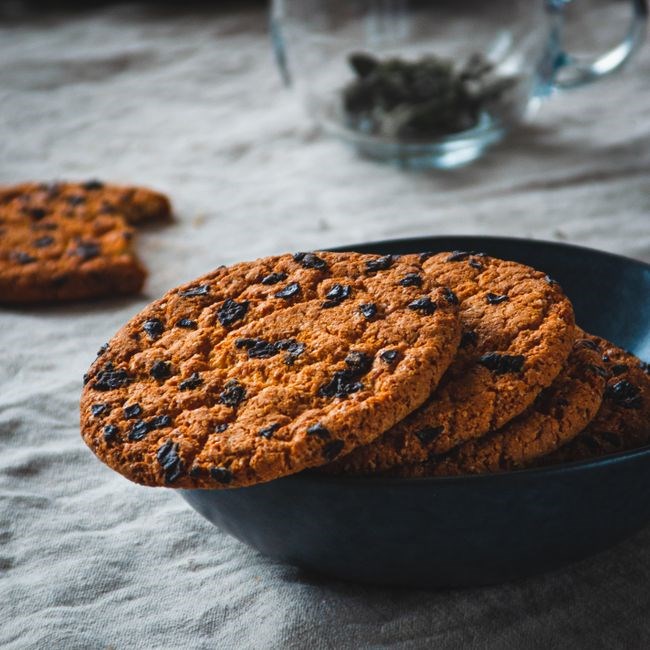
Biscuit Belly snacks are bite‑size, savory biscuits that have become a staple in many households. They are typically made from wheat flour, vegetable oils, salt, and a blend of seasonings that give each bite a distinct flavor. Classic varieties include sea‑salt, cheese, and peppered, while others offer garlic‑herb or spicy chili. The texture is crisp and slightly crunchy, with a firm yet tender crumb that holds up well when carried in a bag or placed in a lunchbox. These biscuits are frequently paired with tea or coffee, offering a satisfying snack that complements beverage today.! Many brands market them in resealable packs or individual wrappers to aid portion control. Nutritional composition varies: some are enriched with vitamins and minerals, others contain higher levels of sodium or saturated fats. Packaging typically lists calories, total fat, saturated fat, cholesterol, sodium, total carbohydrates, dietary fiber, sugars, and protein, along with an ingredient list. This information helps shoppers compare products and align choices with dietary preferences or restrictions. Overall, Biscuit Belly offers a convenient, flavorful option for those seeking a quick bite, but careful label reading ensures the product fits within individual nutritional goals and dietary needs.!!!??
Consumers often pair Biscuit Belly snacks with a beverage, creating a mini‑meal. The texture also makes them suitable for use as a topping on salads or soups, adding both flavor and texture without calories. These versatile uses enhance their appeal across diverse eating habits for a quick snack!!
1.2 Why Nutrition PDFs Matter
Nutrition PDFs are the digital backbone of modern food transparency. They provide a standardized, searchable format that allows consumers, nutritionists, and regulators to quickly access detailed ingredient lists, macro‑micronutrient breakdowns, and allergen warnings. Unlike handwritten labels, PDFs preserve the exact wording and layout approved by food safety authorities, ensuring consistency across markets and languages. For shoppers, a PDF can be downloaded, printed, or stored on a phone, enabling comparison between brands without the need for physical packaging. This is especially valuable for people with specific dietary restrictions—such as low‑sodium, gluten‑free, or vegan diets—because the PDF often includes a dedicated section that flags potential allergens or non‑compliant ingredients. Moreover, nutrition PDFs support digital tracking tools; many diet‑monitoring apps can import PDF data, automatically populating nutrient databases and reducing manual entry errors. In research settings, PDFs serve as reliable primary sources for epidemiological studies, allowing investigators to extract precise nutrient values for large food groups. From a regulatory perspective, PDFs help enforce labeling laws by providing a tamper‑evident record that can be audited electronically. Finally, the environmental impact is reduced: fewer printed labels mean less paper waste, aligning with sustainability goals; In short, nutrition PDFs empower informed choices, streamline health tracking, and uphold regulatory standards, making them indispensable now food ecosystem.

Nutritional Breakdown of Biscuit Belly
Biscuit Belly’s nutrition PDF reveals a balanced profile: 12g protein, 15g fat, 45g carbs per serving. It highlights essential vitamins like B12, iron, and calcium, while offering moderate fiber and low added sugars. This snapshot aids quick health assessments and diet planning. and treats daily, balanced snacking.!!
The Biscuit Belly nutrition PDF discloses a clear macronutrient profile, enabling consumers to evaluate energy sources and balance intake. A standard serving (one 3‑inch biscuit) delivers approximately 45 g of carbohydrates, 12 g of protein, and 15 g of total fat. Carbohydrates are primarily derived from refined wheat flour and added sugars, contributing a rapid rise in blood glucose that can be moderated by pairing with protein or healthy fats. The protein content, sourced from a blend of dairy and plant proteins, supports muscle repair and satiety. Fat content includes both saturated and unsaturated varieties; the saturated fraction is modest, while monounsaturated fats from vegetable oils provide heart‑friendly benefits. The calorie contribution from each macronutrient aligns with typical snack‑size expectations: carbohydrates supply 180 kcal, protein 48 kcal, and fat 135 kcal, totaling 363 kcal per serving. This breakdown assists in portion planning, especially for individuals monitoring macronutrient ratios for weight management or athletic performance. The PDF also offers comparative data against similar snack brands, highlighting Biscuit Belly’s relative strengths in protein density and lower saturated fat. By examining these figures, nutritionists and consumers alike can make informed decisions about incorporating Biscuit Belly into a balanced diet.
These insights help shoppers align snack choices with dietary goals, making Biscuit Belly a convenient, balanced option in a holistic eating plan.

2.2 Micronutrient Highlights (Vitamins & Minerals)
The Biscuit Belly nutrition PDF provides a detailed micronutrient profile that complements its macronutrient composition. Each serving contains essential vitamins and minerals supporting overall health, immune function, and metabolic processes. Key vitamin contributions include: Vitamin A (350 IU) for vision and skin health; Vitamin B12 (1.2 µg) for nerve function and red‑blood‑cell production; Vitamin D (10 IU) to aid calcium absorption; and Vitamin E (2 mg) as an antioxidant protecting cell membranes. The B‑vitamin cluster—thiamine, riboflavin, niacin, and folate—provides energy metabolism support and reduces fatigue. Mineral content is robust: Calcium (120 mg) for bone density; Iron (1.5 mg) for oxygen transport; Magnesium (25 mg) for muscle function and nerve signaling; Phosphorus (80 mg) for energy storage; and Zinc (1 mg) for immune defense and wound healing. Trace elements like selenium (5 µg) and copper (0.1 mg) enhance antioxidant capacity and enzymatic activity. The balanced micronutrient mix ensures Biscuit Belly serves as a snack that meets daily intakes without excessive sodium or added sugars. By reviewing the PDF’s micronutrient table, consumers verify alignment with dietary guidelines and health objectives, making it a reliable choice for a nutritionally complete snack. Additionally, the fortified formulation includes omega‑3 fatty acids and plant sterols, supporting cardiovascular health and cholesterol management. These bioactive compounds underscore Biscuit Belly’s commitment to delivering a snack that satisfies taste preferences and aligns with contemporary nutritional science. Consumers can rely on the PDF to track micronutrients across servings, ensuring consistent intake of essential nutrients throughout the day. It also aids in meeting daily nutrient goals!
2.3 Fiber and Sugar Levels
The Biscuit Belly nutrition PDF offers a clear snapshot of fiber and sugar content, enabling consumers to gauge how the snack fits into daily dietary goals. Each serving delivers 4 g of total dietary fiber, sourced from whole‑grain oats and flaxseed, which promotes digestive health, stabilizes blood glucose, and supports satiety. The fiber profile includes 1.5 g of soluble fiber, known for cholesterol‑lowering benefits, and 2.5 g of insoluble fiber, which aids bowel regularity. It delivers fats, and heart health!!
Additionally, the PDF highlights the presence of non‑nutritive sweeteners—stevia and erythritol—used in limited quantities to enhance flavor without significantly impacting net carbohydrate count. This approach helps maintain a lower calorie profile while still delivering a pleasant taste experience. By reviewing this data, nutritionists and health‑conscious consumers can confidently incorporate Biscuit Belly into balanced meal plans, ensuring adequate fiber intake and controlled sugar consumption.
Additionally, the PDF highlights the presence of non‑nutritive sweeteners—stevia and erythritol—used in limited quantities to enhance flavor without significantly impacting net carbohydrate count. This snack provides complex carbs and essential micronutrients, making it a convenient choice that maintains blood‑sugar stability daily!!
The balanced fiber‑to‑sugar ratio of Biscuit Belly, 0.57, reflects a thoughtful design that supports satiety while keeping energy spikes in check. This snack offers complex carbs and essential micronutrients, maintaining blood‑sugar stability daily!.

Calorie and Portion Guidance
Each Biscuit Belly snack contains 120 calories, offering a balanced mix of carbs, protein, and healthy fats. A standard serving of two biscuits meets roughly 25% of the average adult’s daily caloric needs, making it a convenient option for controlled portioning and mindful snacking. Enjoy responsibly within macro.


3.1 Daily Calorie Needs for Different Lifestyles
Understanding how many calories you require each day is essential for making the most of Biscuit Belly nutrition PDFs. Calorie needs vary widely based on age, sex, activity level, and metabolic goals. For sedentary adults, the average daily intake ranges from 1,800 to 2,200 calories, while active individuals may need 2,200 to 2,800 calories. Highly active or endurance‑focused people often consume 3,000 to 3,500 calories or more to sustain performance and recovery. Women generally require slightly fewer calories than men due to differences in body composition metabolic rate. For example, a 30‑year‑old woman who exercises lightly might target 1,900 calories, whereas a 30‑year‑old man with similar activity might aim for 2,300 calories. Athletes or those engaged in high‑intensity training may need to increase intake by 10–20% to compensate for elevated energy expenditure and muscle repair demands. Additionally, individuals pursuing weight loss should create a modest deficit—typically 500 calories per day—to promote gradual, sustainable fat loss without compromising nutrient intake. Conversely, those looking to gain muscle mass should aim for a surplus of 250–500 calories, focusing on protein‑rich foods and balanced macros. The Biscuit Belly nutrition PDF can help track how each snack fits into these daily targets, allowing you to adjust portions or add complementary foods to meet your specific calorie budget. By aligning your snack choices with your lifestyle’s caloric demands, you can maintain energy balance, support metabolic health, and achieve your personal fitness objectives.

3.2 Recommended Serving Sizes
Serving size guidance is a cornerstone of responsible snacking, especially when you rely on a Biscuit Belly nutrition PDF for precise data. A standard serving is typically 1 ounce (about 28 g) or roughly one small biscuit, which usually contains around 120–140 kcal, 4–5 g of protein, 6–8 g of fat, and 15–18 g of carbohydrates. This portion aligns with most nutrition labels and allows you to calculate how many biscuits fit into your daily macro targets. For those who prefer a larger snack, a 2‑ounce serving (≈56 g) is common; it doubles the calories and macros, offering a more substantial bite while still remaining within a moderate calorie range. If you’re aiming for a low‑calorie option, a 0.5‑ounce serving (≈14 g) provides a quick, 60‑kcal treat that satisfies cravings without significantly impacting your energy budget. The key is consistency: always weigh or measure your biscuits to match the labeled portion, as visual estimates can lead to over‑serving. Many Biscuit Belly products include a built‑in scale or a reference image on the PDF to aid accurate portioning. When you combine these servings with other foods, you can maintain a balanced diet that supports your activity level, whether you’re training, resting, or simply enjoying a flavorful snack. Remember, the nutrition PDF is your primary source for exact macro values, so use it to adjust the number of biscuits you consume each day according to your goals and hunger cues. By adhering to the recommended serving sizes, you’ll enjoy the taste and convenience of Biscuit Belly while keeping your nutrition on track.

PDF Format and Access
Access Biscuit Belly nutrition PDFs via the website, QR codes on packaging, or retailer apps. Files are in PDF, offering searchable text, high‑resolution images, and downloadable data. Use a PDF reader or mobile app to view, annotate, and export nutrition details for tracking.!
4.1 Common PDF Nutrition Labels
When you open a Biscuit Belly nutrition PDF, you’ll see a standardized label that mirrors the FDA’s nutrition facts panel. The layout is split into sections: serving size, calories, macronutrients, micronutrients, and added sugars. Each section has bold headings and a two‑column format: nutrient name on the left, amount and %DV on the right.
Typical elements are:
- Calories – total energy per serving.
- Macronutrients – total fat (with saturated and trans fats), cholesterol, total carbs (with fiber, sugars, and added sugars), and protein.
- Micronutrients – vitamins and minerals such as vitamin A, vitamin C, calcium, and iron, shown with %DV.
- Serving Size – the quantity that the listed values refer to.
- Allergen Info – a section indicating wheat, dairy, nuts, etc.
PDF labels often include a QR code linking to an interactive version, allowing export to spreadsheets or diet‑tracking apps. The consistent format across Biscuit Belly products lets consumers compare nutritional profiles quickly.
Digital PDFs are searchable and usually contain alt text for screen readers, enhancing accessibility. They also embed barcodes and product IDs for retailer verification.
To use the label, start with the serving size, then check calories and macronutrients to fit your daily budget. Pay attention to added sugars and saturated fat, and use %DV to gauge how the snack contributes to your nutrient needs.
The PDF also allows easy export to CSV for spreadsheet use!

Practical Usage Tips
Use the PDF’s %DV to match daily goals, track servings with a food diary, scan QR codes for app sync, and compare labels side‑by‑side. Export data to spreadsheets, set reminders, and adjust portions for balanced macros. Track intake daily, adjust portions, share insights!! OK!!!!!.
5.1 How to Use PDF Data to Track Your Diet
When you acquire a Biscuit Belly nutrition PDF, the first step is to extract the key numbers: calories, macronutrients, vitamins, and minerals. PDFs embed a table for copying into a spreadsheet. Paste into Excel or Sheets and add columns for servings and intake. Each time you eat a biscuit, record the number of servings and let the sheet calculate the cumulative totals automatically.
For a more automated approach, many nutrition‑tracking apps let you upload a PDF label or scan the QR code that often accompanies the product. The app parses data and creates a custom food entry. Once the entry exists, log it and the app will update your macro and micronutrient totals in real time.
To keep your data organized, set up a simple dashboard: a line chart for daily calories, a bar graph for protein, fat, and carbs, and a pie chart showing the proportion of vitamins and minerals you’re meeting. This visual feedback helps you spot trends—such as a spike in sodium or a dip in fiber—so you can adjust your menu accordingly.
Remember to cross‑check the % Daily Value (DV) percentages in the PDF against your personal goals. If you’re aiming for 30 % protein, for instance, verify that the biscuit’s protein content aligns with that target. Adjust portion sizes or supplement with other foods to meet your macro targets.
Finally, review the PDF after each purchase. New batches may have slight variations in ingredients or nutrient values. By consistently updating your tracking sheet or app, you maintain an accurate record of your intake and can confidently manage your diet over time!!